Supply Chain Resilience: Why Local Packaging Inventory Matters
Supply chain resilience is no longer a long-term strategy. It has become an operational necessity. For growing brands in the personal care, cosmetics and pet care industries, disruptions in packaging procurement can quickly create delays that affect production schedules, marketing timelines and revenue. Even a short interruption in packaging availability can slow manufacturing and delay fulfillment.
Building a resilient sourcing strategy begins with dependable access to packaging inventory. When businesses rely heavily on distant manufacturers with long lead times, even small disruptions can escalate into costly interruptions. Strengthening supply continuity allows brands to maintain production momentum and reduce operational uncertainty.
What is Supply Chain Resilience?
Supply chain resilience refers to a company’s ability to anticipate, adapt to and recover from disruptions in sourcing, manufacturing, or distribution. In packaging procurement, disruptions may occur at several stages of the supply chain and can affect both cost and availability.
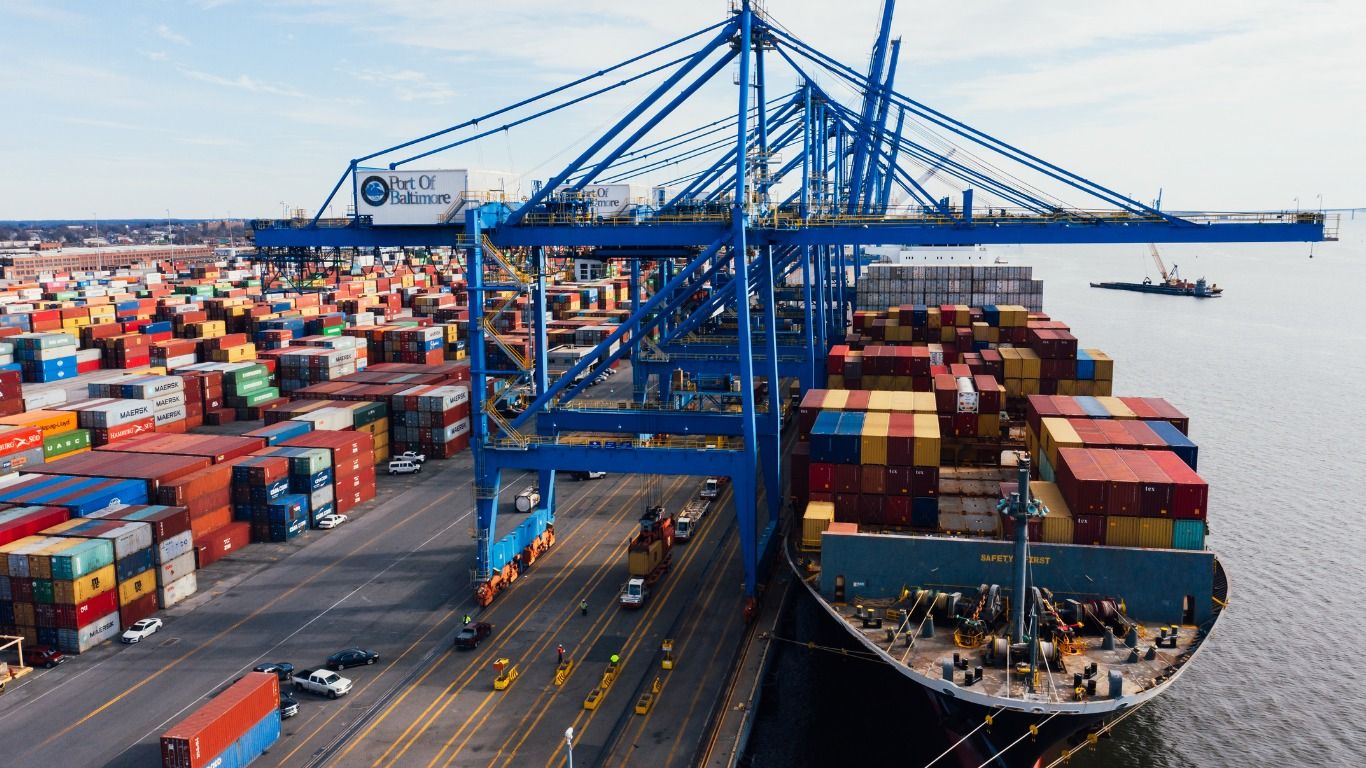
Examples of common disruptions include overseas manufacturing delays, port congestion, freight rate volatility, production shutdowns and material shortages. While no organization can eliminate these risks entirely, stronger sourcing strategies can significantly reduce their operational and financial impact.
Why Supply Chain Resilience Matters for SMB Brands
Large corporations often maintain diversified supplier networks and large inventory buffers that help them absorb supply disruptions. Small and mid-sized businesses typically operate with fewer sourcing options and tighter inventory margins, which makes resilience even more important.
For SMB brands, sourcing disruptions can directly affect cash flow stability, production continuity and customer satisfaction. A delayed shipment of packaging components can interrupt launch timelines, delay fulfillment and affect revenue projections. Prioritizing supply continuity in packaging procurement helps growing businesses maintain operational stability while reducing risk.
The Risk of Long International Lead Times
Many packaging components are manufactured overseas. Although international sourcing can offer cost advantages, it also introduces additional vulnerability through long production timelines and complex shipping logistics.
Extended lead times increase exposure to international shipping delays, customs clearance issues, currency fluctuations and large minimum order commitments. When shipments are delayed for weeks or months, production schedules must adjust accordingly and in some cases, fulfillment may pause entirely. For growing businesses, this uncertainty can create operational stress and financial strain.
Comparing Overseas Sourcing and Local Inventory
When businesses evaluate packaging sourcing strategies, the contrast between overseas manufacturing and locally available inventory becomes clear. Overseas production cycles often require several weeks or months for packaging components to arrive, whereas local inventory can ship within one or two business days.
International freight also introduces additional risk through port congestion, customs delays and rate volatility. Local inventory significantly reduces these uncertainties while providing more flexibility for adjusting order quantities. Faster access to packaging components also allows brands to respond more quickly to changing market demand rather than relying solely on long-term forecasts.
Ready-to-Ship Packaging Inventory: A Supply Chain Advantage
One of the most effective ways to strengthen supply chain resilience is through access to ready-to-ship inventory. Immediate availability of packaging components reduces lead-time uncertainty and allows brands to maintain production continuity.
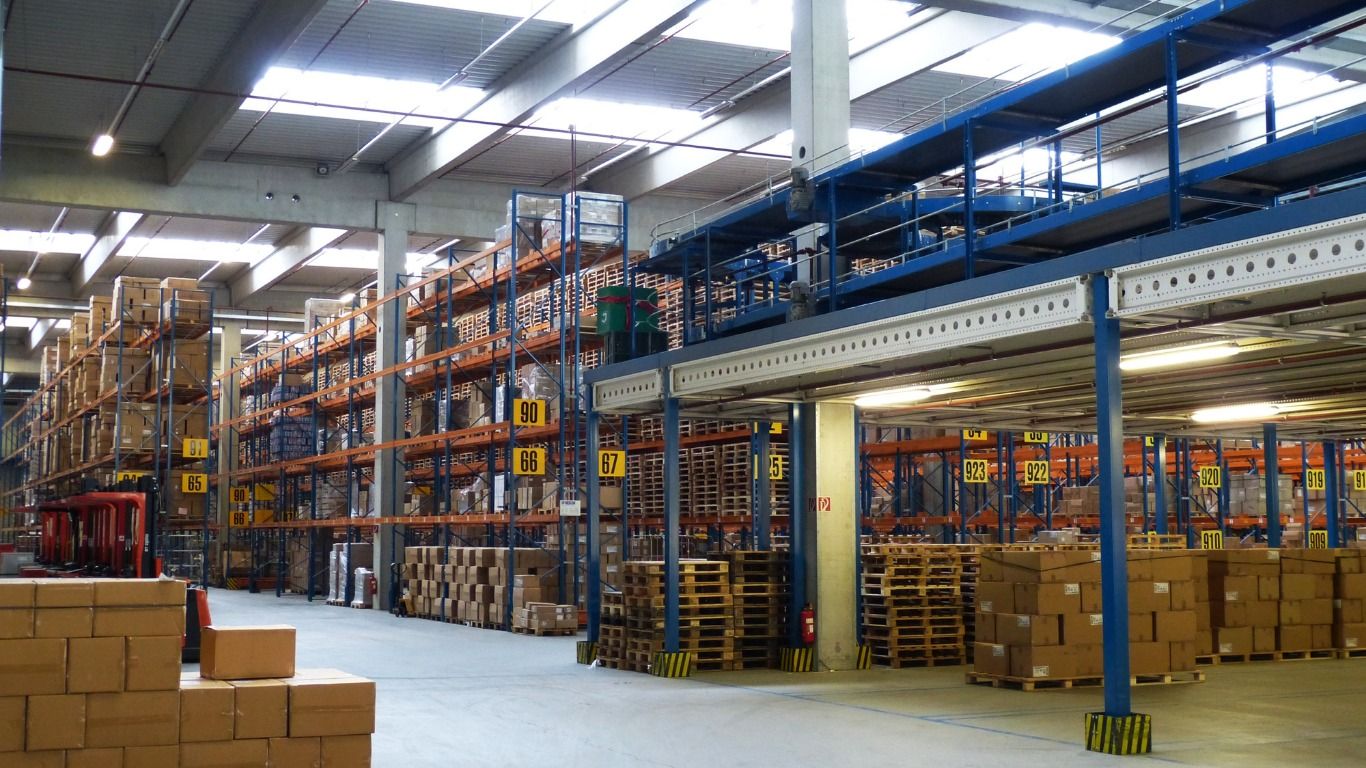
McKernan Packaging Clearing House maintains a large selection of in-stock bottles, jars, caps, pumps and sprayers available for immediate purchase. Shipping from three U.S. warehouse locations, orders can typically ship within two business days, enabling brands to quickly replenish packaging components as production needs arise.
For SMB brands, this immediate availability provides a significant operational advantage. Instead of waiting months for overseas manufacturing cycles, businesses can align packaging procurement with real-time production requirements.
How Domestic Packaging Inventory Supports Business Continuity
Business continuity depends on reliable access to essential components. Packaging is a critical part of that continuity because finished products cannot move through production or reach customers without it.
When packaging inventory is available domestically, businesses can avoid extended shipping timelines, adjust order quantities more easily, reduce warehousing pressure and respond quickly to unexpected increases in demand. These advantages allow companies to maintain production flow even during periods of supply chain uncertainty. McKernan also maintains a robust partner network that may have inventory even closer to you, but they may have a minimum order quantity.
Sourcing Flexibility for Faster Market Response
Market conditions can shift quickly. Consumer demand fluctuates, seasonal trends evolve and new product opportunities may emerge with little notice. Companies that rely exclusively on long manufacturing cycles often struggle to adapt when these changes occur.
Access to ready-to-ship packaging inventory provides greater agility. Businesses can scale packaging volumes, support limited product launches, or respond to new opportunities without waiting for extended production cycles. Flexible sourcing strategies allow companies to move more confidently while maintaining operational stability.
A Practical Checklist for Strengthening Supply Chain Resilience
Businesses that want to evaluate their packaging sourcing strategy can begin by asking several practical questions. Organizations should consider whether they rely heavily on long international lead times and whether their minimum order quantities align with realistic demand forecasts.
Companies should also assess how quickly they can access their packaging inventory and whether alternative sourcing options exist in the event of disruptions. Identifying these factors helps businesses understand where improvements in supply continuity may be necessary.
Building Stability in Uncertain Markets
In uncertain economic conditions, operational stability becomes a strategic advantage. Reliable access to packaging inventory allows brands to maintain production schedules, support product availability and protect revenue continuity.
McKernan Packaging Clearing House supports supply chain resilience by maintaining local, ready-to-ship packaging inventory across three U.S. warehouses, with low minimum order quantities and fast fulfillment. A third-party distribution network extends that reach further for qualifying orders.
Visit the McKernan Packaging Clearing House to explore available in-stock packaging components and strengthen your packaging sourcing strategy with dependable inventory.
Resilient supply chains are not built by chance. They are created through intentional sourcing decisions, reliable partners and consistent access to essential inventory.