Choosing the Right Pump: A Buyer's Guide for Personal Care Startups
You've spent months perfecting your formula. The texture is luxurious, the scent is subtle and early testers love it. Then the first customer complaints roll in: "Too messy." "The pump broke after a week." Your five-star product just earned three stars because of an inferior lotion pump.
Choosing the right lotion pump can make or break user experience. It influences perceived quality and ultimately determines whether your brand earns repeat purchases or gets forgotten in a bathroom drawer.
Understanding Pump Types and Their Applications
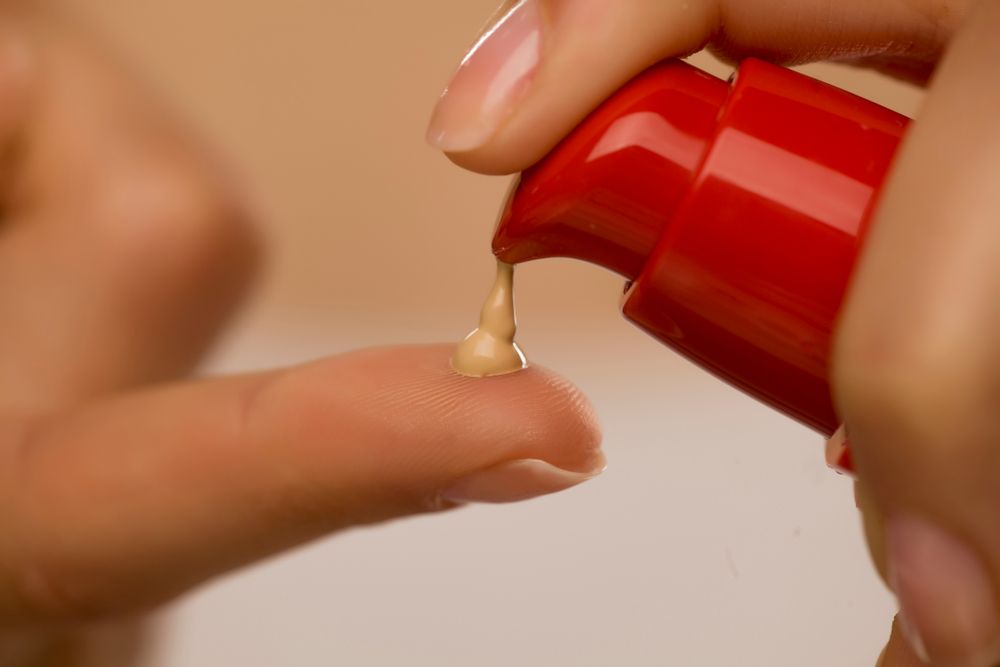
Not all pumps serve the same purpose. The three main categories: lotion pump, treatment pump and foamer pump, each excel with specific formulations.
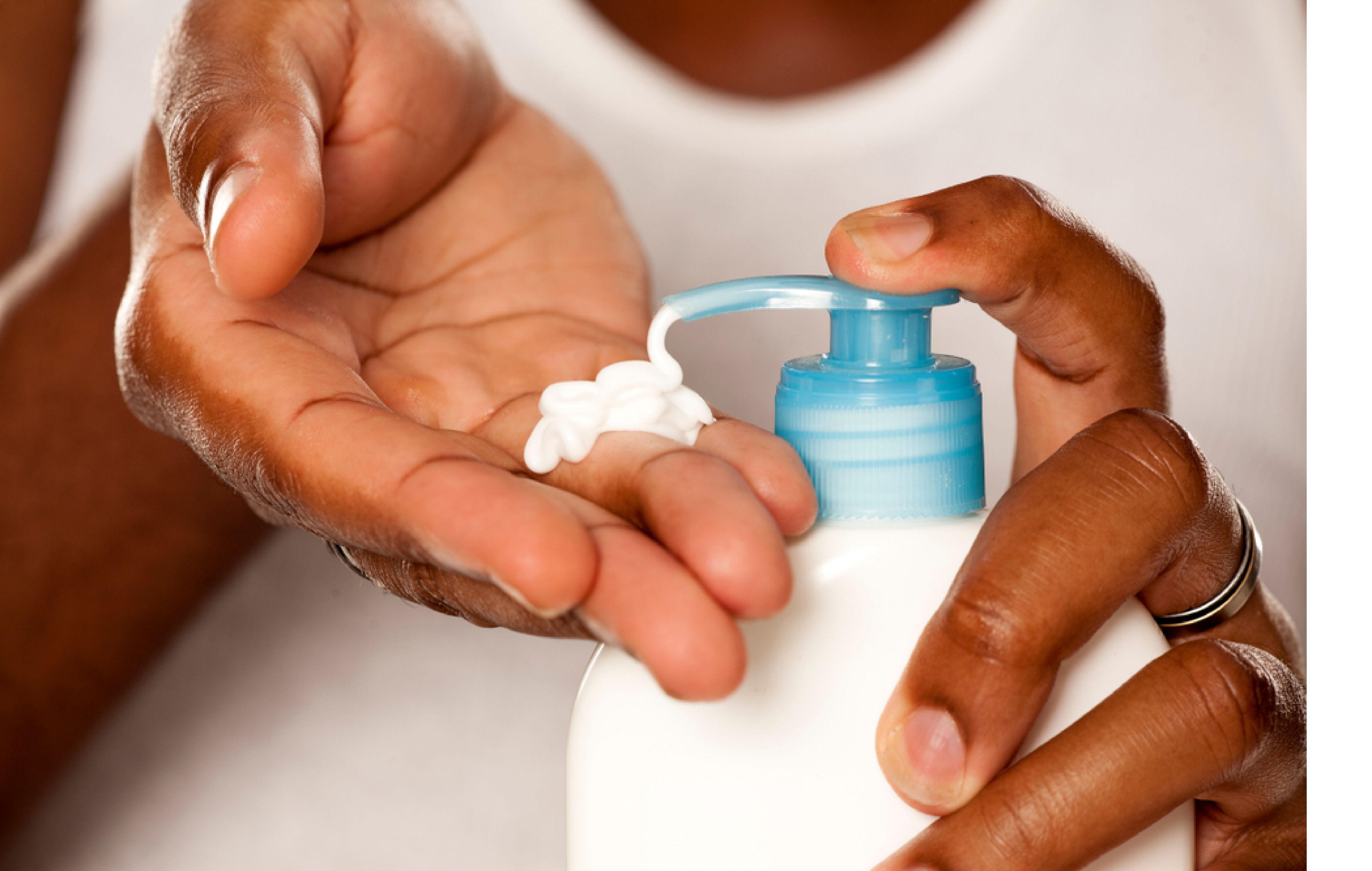
Lotion pumps handle a variety of consistencies like hand creams, body lotions, shampoos, and conditioners. They deliver a controlled, consistent dose with each press, making them ideal for products used daily in generous amounts. Treatment pumps work best with lighter formulations such as facial serums, oils, or targeted skincare products that demand precision dosing. Foamer pumps blend liquid with air to dispense a rich foam, making them a great fit for hand soaps, facial cleansers, and other wash-off formulas where a lightweight, spreadable application is preferred.
Matching pump type to product purpose isn't just about functionality; it sets user expectations. Customers instinctively know how to interact with each pump style and choosing the wrong one creates confusion that reflects poorly on your brand.
The Critical Role of Viscosity Matching
Your product's thickness determines which pump mechanism will work reliably. Thin liquids like serums or hand sanitizers need pumps with smaller output chambers and tighter seals to prevent over-dispensing and dripping. These formulations flow easily, so the pump's job is controlling flow rather than forcing it out.
Thicker products, such as body butters, rich moisturizers and dense conditioners, require pumps with stronger springs and larger chambers that can generate enough pressure to move viscous formulas through the dip tube, making treatment pumps a great choice.
When viscosity and pump mechanism don't align, you get clogging, inconsistent dispensing or wasteful over-pumping. Each of these failures chips away at customer satisfaction and brand trust.
Material choice matters here, too. Plastic pumps work well for lightweight applications and keep costs manageable. Metal-shelled pumps add a premium feel, though they come at a higher price point. The decision should balance your product positioning with practical performance needs.
Testing Before Committing
No amount of research replaces hands-on testing with your actual formula. Product compatibility testing catches problems before they reach customers.
Start by requesting samples and testing them with your exact formulation; not a similar product, but the precise formula you'll be selling. Observe how smoothly the lotion pump operates, whether it clogs after sitting overnight and if it dispenses a consistent amount from the first press to the last. Fill containers to various levels and test dispensing at quarter-full, half-full and nearly empty to ensure reliable performance throughout the product's lifecycle.
Temperature matters too. If your product might be stored in hot bathrooms or cold medicine cabinets, test pump performance under those conditions. Some seals loosen with heat; others stiffen in cold, affecting user experience.
This testing phase is also your opportunity to gather feedback. Give samples to potential customers and watch how they actually use the pump. Do they press once or twice? Does the amount dispensed match their expectations? Their natural behavior reveals whether your packaging choice aligns with real-world use.
Common Mistakes That Cost Startups
Several packaging pitfalls repeatedly trap personal care startups. Awareness helps you avoid them.
- Skipping product-specific testing. Assuming a pump that works for one formula will work for yours is a costly gamble. Every formulation has unique properties that affect pump performance.
- Ignoring dip tube length. If the tube doesn't reach the bottom of the container, customers can't access the last portion of product. Conversely, tubes that are too long can bend or kink, causing dispensing issues.
- Overlooking material compatibility. Some formulas react with certain plastics or metals, causing degradation, discoloration, or contamination. This is especially critical with products containing essential oils, certain preservatives, or active ingredients. In these cases, airless treatment pumps can be a smart option because they dispense product from a sealed system that limits exposure to air and external contaminants, helping protect sensitive formulations over time while supporting more consistent dosing and product integrity.
- Prioritizing aesthetics over functionality. A beautiful pump that doesn't work reliably will hurt your brand more than a plain lotion pump that performs flawlessly. Design matters, but function must come first.
- Neglecting closure fit. The connection between the pump and container must create an airtight seal. Poor fit leads to leaks during shipping, product oxidation or contamination; each a brand-damaging failure.
- Underestimating the importance of consistency. If pumps from the same order perform differently, customers lose confidence in your quality control. Testing should include multiple samples from the same batch.
The Flexibility Advantage for Growing Brands
Early-stage brands need packaging partners who understand startup realities. Flexibility in minimum orders, access to samples and quick turnaround times can determine whether you can afford to test and iterate or must commit to large quantities before validating your choices.
Look for suppliers offering:
- Low minimum orders that let you test new formulations or run limited editions without overcommitting inventory dollarsSample availability so you can evaluate pump performance before placing production ordersSurplus and wholesale options that reduce costs while maintaining quality standardsQuick shipping on ready-to-ship inventory to keep your launch timeline on trackExpert guidance from specialists who understand the technical side of pump selection
This approach allows you to experiment, learn from real-world feedback and adjust your packaging choices as your brand evolves. You're not locked into decisions made before you fully understood your customers' preferences.
Building Customer Confidence Through Smart Packaging Choices
The right pump creates an intuitive user experience that feels professional and carefully considered. It dispenses the right amount without waste, works reliably from first use to last and feels appropriate for your product's price point and positioning. These details might seem small individually, but collectively they build the trust that transforms first-time buyers into loyal customers.
At McKernan Packaging Clearing House, we specialize in supporting personal care startups through the packaging selection process. With decades of experience and extensive inventory spanning bottles, jars, caps, pumps and sprayers in various styles, sizes and materials, we help you find solutions that match both your product and budget.
Our approach centers on flexibility: low minimums, sample availability, surplus inventory options and ready-to-ship stock that arrives when you need it. Check out our online store or connect with us to learn more about our Precycle® program and how we can support your brand at every stage of growth.